
Clinical Verification
Clinical Verification (CV) is a structured scientific process designed to evaluate and substantiate the therapeutic utility of homoeopathic medicines in clinical practice. The process involves a rigorous, methodical, and confirmatory evaluation of symptoms documented as proving symptoms in homoeopathic literature, with the objective of substantiating drug pathogenesis and thereby, enhancing its therapeutic applications. This process plays a crucial role in homoeopathy, as it supports evidence-based practice and fosters further research and development of homoeopathic materia medica.
Since its inception in 1978, the Central Council for Research in Homoeopathy (CCRH) has been undertaking multicentric Clinical Verification studies on indigenous, rare, and partially proved homoeopathic drugs, including those drugs that are first proved by CCRH itself. Eligible participants are enrolled from the outpatient departments of participating institutes, with the objective to clinically verify the symptomatology of the drug as observed during proving or as mentioned in other literature. Additionally, the clinical symptoms that did not appear during the proving but were improved in the patients after its administration, either completely or partially are also documented. The individualistic symptoms of each case are evaluated as per the Materia Medica & Repertorial index especially prepared for the programme from the proving data and literature symptoms.
Till date, 126 homoeopathic drugs of diverse pharmacological origin have been clinically verified, including 90 plant-derived, 24 chemical, 09 animal-derived drugs, 02 nosodes, and 01 sarcode. To strengthen the methodological rigor, CCRH revised its Clinical Verification protocol in 2018 and further in 2023 by incorporating standardized assessment tools, including the MYMOP scale to assess clinical changes, ORIDL to measure the impact of treatment on daily life, and the MONARCH criteria to evaluate the causal relationship between homoeopathic prescriptions and observed changes. Adoption of these internationally recognized scales has enhanced the reliability, validity, and generalizability of findings, thereby strengthening evidence generation in homoeopathic research.

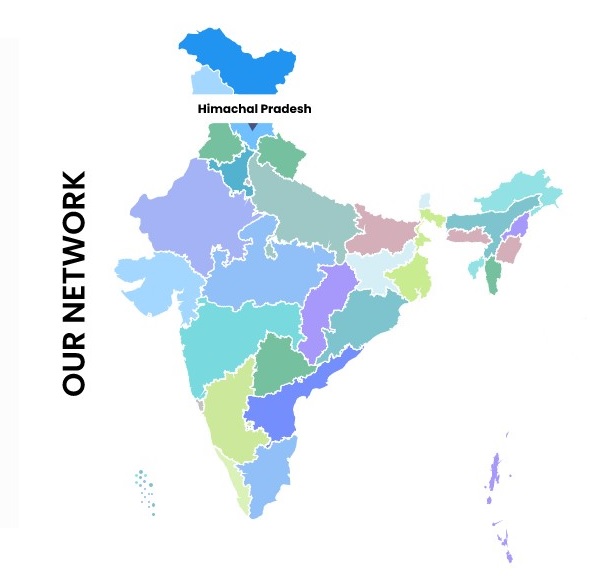
Currently, the Clinical Verification on 10 Homoeopathic drugs namely, Benzinum nitricum, Cheiranthus cheiri, Coleus forskohlii, Cucurbita pepo, Cuscuta reflexa, Iberis amara, Justicia adhatoda, Lithium bromatum, Phyllanthus niruri and Yohimbinum is ongoing at 15 study sites across India.

Reverification of drugs that have completed Clinical Verification
In order to further strengthen the scientific evidence and therapeutic applicability of homoeopathic medicines, the Central Council for Research in Homoeopathy (CCRH) has initiated a project on reverification and validation of drugs that have completed Clinical Verification, through assessment of their effectiveness in identified clinical conditions.
Under this initiative, a multicentric clinical study on Allium sativum for the management of Allergic Rhinitis is proposed to be initiated shortly.


.png)

.png)